


The blocker on AI in sports and entertainment isn't the technology, it's a disconnected tech stack, and fixing that starts with connecting the data you already have.
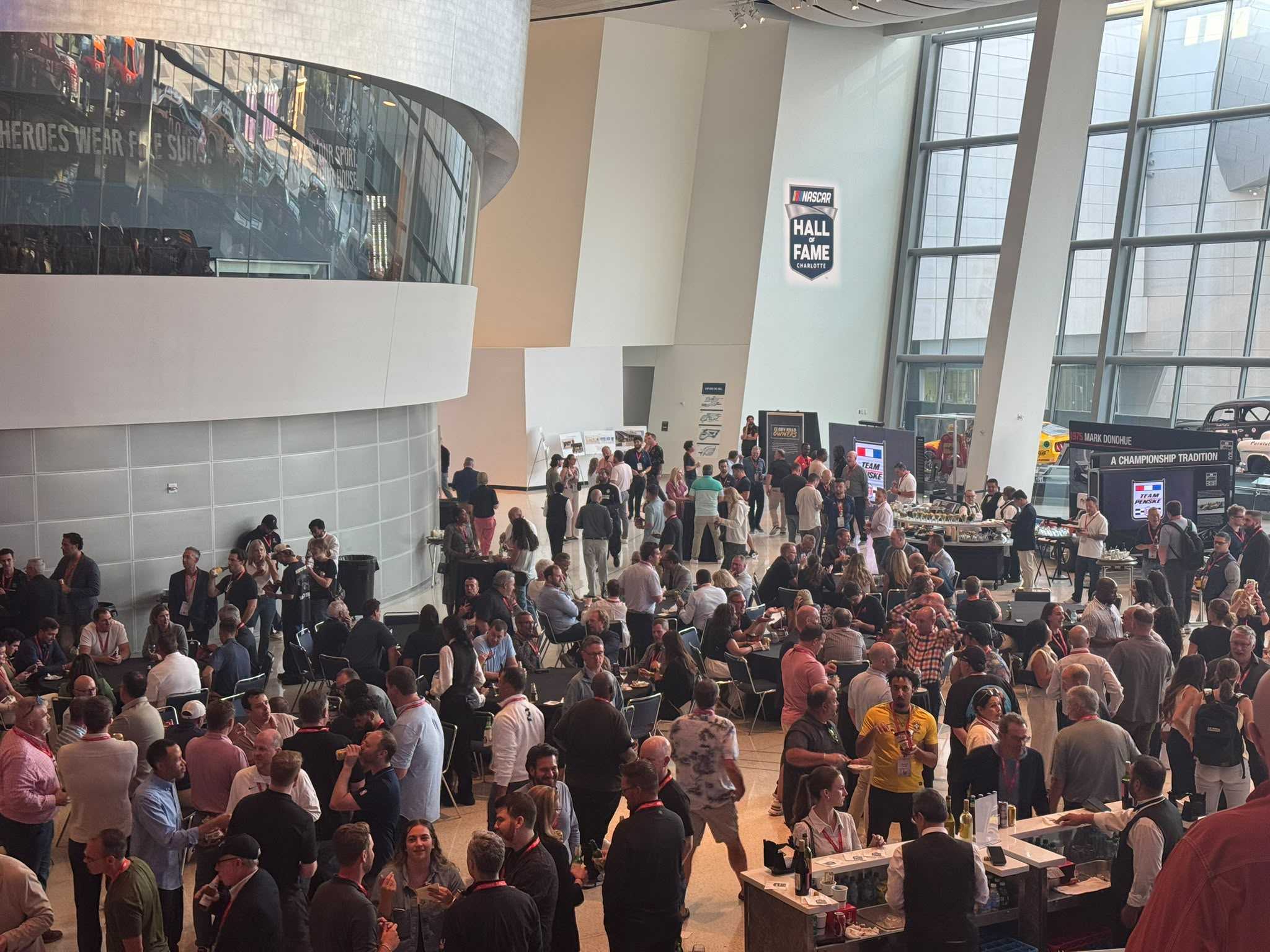
I attended a session at SEAT 2026, the Sports & Entertainment Alliance in Technology conference, held this June in Charlotte, North Carolina. The session covered AI governance and best practice for sports and entertainment organizations, to a room full of peers from ticketing, venue technology, and data teams across the industry. What struck me wasn't a lack of interest. The appetite for AI in this space is real, and it's growing fast. What's missing is the progress to match it, and that gap comes down to the tech stack sitting underneath the technology.
"The organisations moving fastest on AI right now aren't the ones with the most tools. They're the ones who fixed their data foundation first, so every new tool actually adds value instead of adding noise."
.jpg)
Here's what stood out to me from the session, and from the conversations that followed it.
Tech stack consolidation is the elephant in the room
Almost every organisation I spoke to is carrying the same problem: too many tools, added by too many teams, for too many overlapping reasons. A ticketing team brings in one platform, the fan engagement team brings in another, marketing adds a third for campaigns, and none of them were ever asked to talk to each other.
Everyone agrees consolidation is overdue. Almost no one has started, because it looks like a multi-year undertaking with no obvious first step and no single owner willing to take it on. That inertia is understandable, but it's also the single biggest thing quietly slowing down every AI initiative sitting behind it.
Connected is starting to beat feature-rich
The way buyers evaluate new tools is shifting, and I think this is the most useful change happening in the space right now. It's less "what does this do" and more "what does this connect to." Fewer standalone point solutions, more tools that plug straight into the systems already in place, usually the CRM and ticketing platform.
A connected mid-tier tool will outperform a disconnected best-in-class one every time, because the mid-tier tool can actually see the full picture of who a fan is and what they've done, while the best-in-class tool is often working blind. If there's one filter I'd encourage teams to apply before signing anything new, it's this one.
Flashy fan engagement tools are only as good as the data behind them
There's no shortage of exciting tools right now: in-venue engagement platforms that track movement and behaviour, pre-game apps that personalise offers before a fan even arrives, at-home viewing tools that score engagement across a season. All genuinely useful. All easy to get excited about in a demo. None of it performs if the data behind it is scattered across systems that don't talk to each other.
A tool that doesn't know who actually attended, what they bought, or how they've engaged across other channels can't personalise anything meaningfully. It just becomes one more disconnected system sitting on top of an already fragmented stack, generating activity without generating insight.
This is the exact problem we work on every day at Engaging.io. With proven integrations into Ticketmaster and Ticketek, we've helped organisations including the San Antonio Spurs, Miami Dolphins, Brisbane Broncos and Race Roster unify fan and ticketing data into HubSpot, so that everything built on top of it, including AI, actually works. As an Elite HubSpot partner since 2009, this is the layer we've seen make or break every AI and fan engagement initiative that follows it. It's rarely the flashy layer that fails first. It's the plumbing underneath it.
If tech stack consolidation feels too big to start, it doesn't have to be solved all at once. It starts with connecting the data you already have, one integration at a time, rather than waiting for a perfect, organisation-wide plan.
Got Questions? We've got answers