


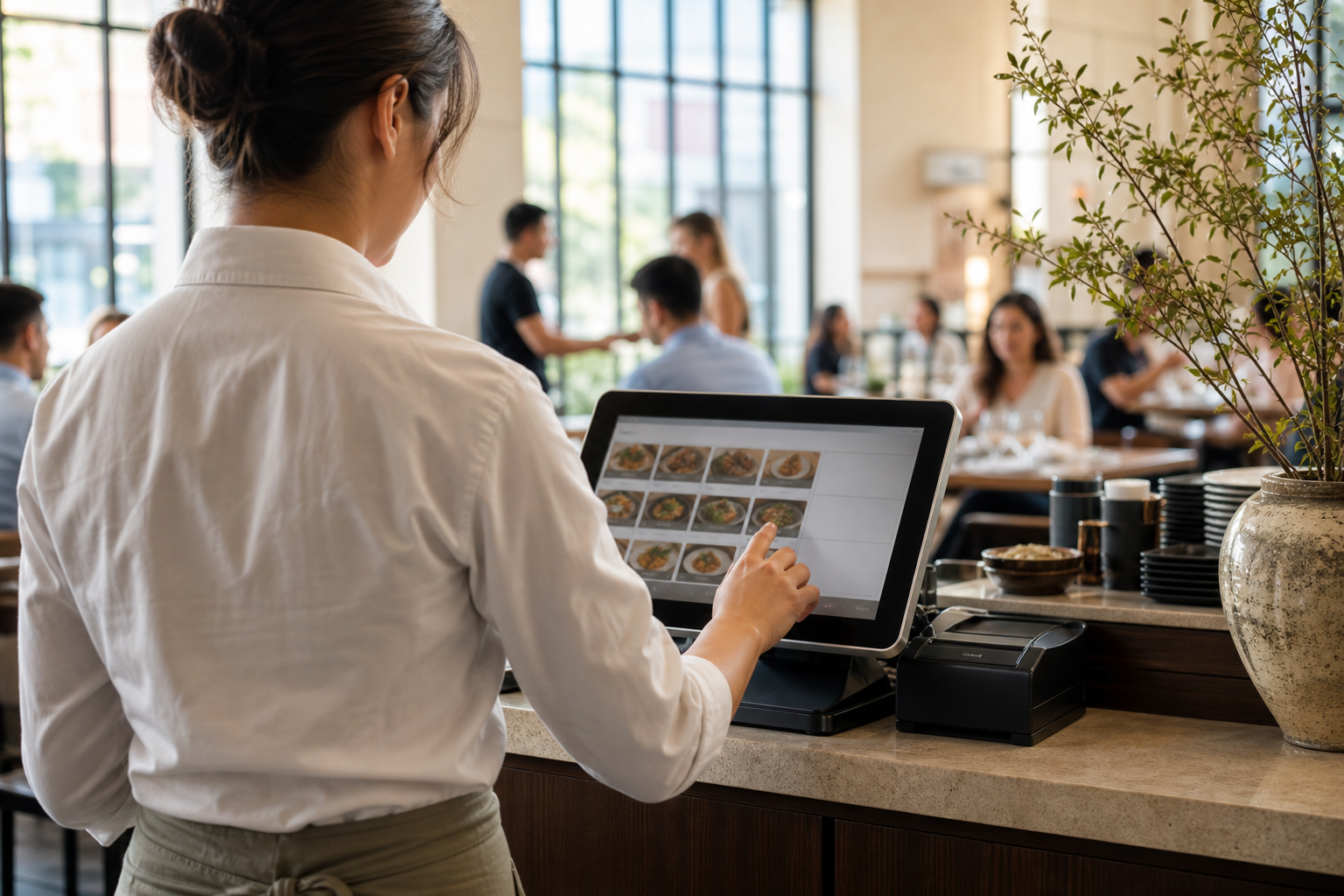
Hospitality venues often run different parts of the guest experience through different systems. SevenRooms is commonly used for reservations, guest profiles, preferences and visit history. SwiftPOS is a point-of-sale platform used to manage transactions, tables, spend, stock and venue operations. HubSpot is where marketing, sales activity, segmentation and customer communication usually live.
The issue is not that any one platform is weak. It is that each system sees a different part of the guest relationship. SevenRooms can show who booked, when they visited, how often they come back and what they prefer. SwiftPOS can show what was ordered, how much was spent and what happened at the table. HubSpot can manage the follow-up, loyalty journeys, campaign activity and reporting, but only if the right data is available inside the CRM.
That does not mean every venue needs all three platforms. A SevenRooms to HubSpot integration may be enough if the goal is to use reservation and guest data for segmentation and follow-up. SwiftPOS becomes important when the venue also wants POS spend, transaction history or table activity connected to the same guest profile. The strongest setup is where booking data from SevenRooms and spend data from SwiftPOS flow into HubSpot in a structured way, giving the marketing team one usable view of the customer.
"Once SevenRooms reservation history sits on the same contact record as email and campaign activity, you can segment by actual dining frequency and preferences, not just whether someone's on your list, which changes what a loyalty campaign can actually do."

Without that connection, a venue can't tell which guests are actually its most valuable, can't trigger a follow-up based on a real visit, and ends up running loyalty and win-back campaigns off gut feel rather than booking and spend history. The data exists. It's just sitting across different systems, instead of being connected in a way HubSpot can use.
How the integration actually works
HubSpot has a large marketplace of native app connectors, and for many businesses those are enough. Hospitality venues are often different. Reservation platforms and POS systems usually hold more specialised data, and the way that data needs to be used in HubSpot may not match a simple plug-and-play connector.
HubSpot does support integrations through APIs and private apps, and platforms like SevenRooms and SwiftPOS can also expose data through APIs or integration pathways depending on the setup. The work is in deciding which data should move, where it should sit in HubSpot, how often it should sync, and what the venue wants to do with it once it is there.
In practice, the setup usually looks like this: SevenRooms provides the reservation and guest data, SwiftPOS provides the POS or spend data if that is part of the scope, and HubSpot becomes the place where those signals are used for segmentation, automation and reporting. The integration layer in the middle maps the fields, matches the records and keeps the data flowing.
How this works
What SevenRooms data looks like once it's connected
Reservation history, party size, dining preferences, special occasions, no-show and cancellation patterns, and loyalty status, all attached to the guest's HubSpot contact record. That's enough on its own to build real segmentation: guests who book often but haven't been in a while, VIPs worth recognising, or a win-back list based on actual visit gaps rather than guesswork.
If your venue also runs SwiftPOS for point-of-sale, the same integration approach applies, and spend data can be layered onto the same guest profile alongside the SevenRooms reservation history, giving you both sides of the guest relationship in one place.
How EIO approaches this type of challenge
We've built exactly this kind of integration before. For Fink Group, a portfolio of restaurants across Australia, guest data was scattered across SevenRooms, their POS system and HubSpot, with no combined view of the guest.
We built a custom middleware integration connecting SevenRooms reservations, POS spend and HubSpot campaigns into one ecosystem, giving the group the ability to segment guests by reservation history and spend, and report on marketing performance and revenue across every restaurant.
As an Elite HubSpot Solutions Partner, this is the kind of hospitality-specific integration work we specialise in.
Frequently asked questions