


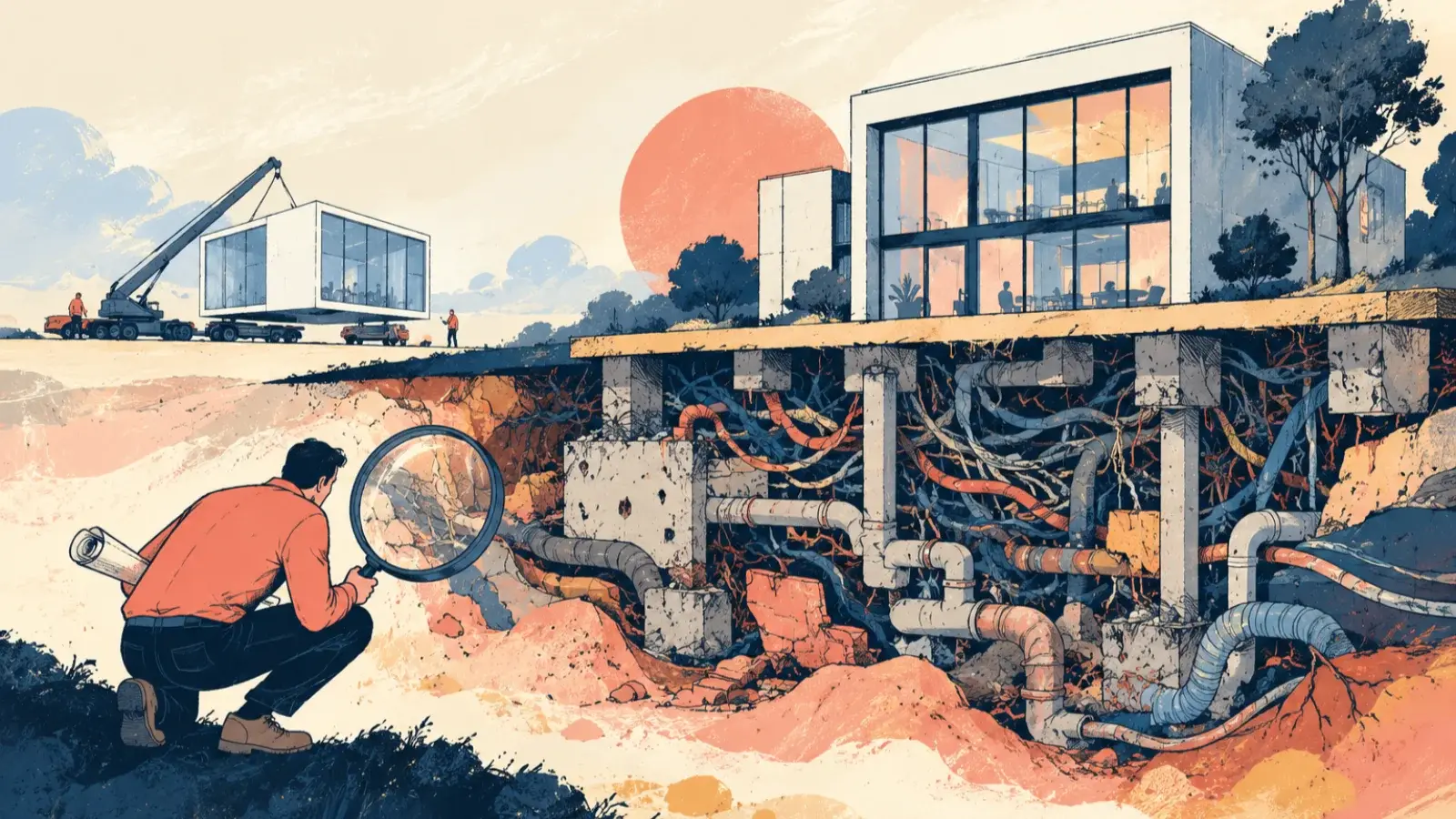
Regardless of your industry, the story is often the same when you scale a CRM too quickly. Reporting starts getting unreliable, teams are working around the system instead of with it, or a project that was meant to save time has actually created more of it. Most people in the business can tell you what’s going wrong but not many can tell you why.
That gap between symptom and cause is where a lot of technology budget can go to waste. A business scopes a build, a migration, or a new platform based on what it can see on the surface and only finds out partway through that the real problem was somewhere else entirely.
What can this cost?
You may already have a CRM that teams are working around: reports can’t be trusted, data is inconsistent and processes vary from one team to another. Or you may be considering your first CRM because spreadsheets, disconnected tools and manual handoffs can no longer support the business.
Either way, the place to start is not choosing a platform or writing a build brief. It’s getting clear on the problems you need to solve, what is causing them and what the business needs the system to enable. It is defining what “good” look like for your business.
It’s right here that you need to stop, and do an assessment before you make any further decisions. Sometimes, a rebuild is the right answer but don’t be too quick to assume the platform is the main problem.
More commonly we have found it can stem from three main areas:
- The data feeding into the platform is causing issues - either from cadence, accuracy or conflicting sources of truth.
- The process and the people got lost along the way, this is common in systems that have seen turnover, acquisition or partial rebuilds in the past. If you’ve lost sight of who does what and why, that can be part of the problem.
- Tech stack sprawl - when a CRM platform was originally scoped for a tech stack that has since grown significantly, there may be duplicate tech and compounded with the other two common issues, the CRM starts getting a bad reputation.
A brand new platform built on top of that foundation unfortunately won’t fix anything. It just gives the same underlying problem a newer interface, and six months later the business is having the same conversation again, except now it's also paid for a migration and given your teams some minor CRM PTSD.
This is a really expensive way of solving the wrong problem. Budget gets allocated to the build. The build gets scoped against assumptions rather than evidence. And the part of the project that would have actually found the real cause, a proper look at the data, the process, and the people around it, never happens at all, because nobody built time or budget for it into the plan.
Starting with an assessment
A ‘phase zero’ assessment exists to close that gap before a single line of a build gets scoped. It's a structured look at what's actually happening underneath the symptom:
-
How clean and consistent the data really is,
-
How the current systems and processes connect to each other,
-
Where teams have built manual workarounds because the platform doesn't do what they need,
-
And how ready the business genuinely is to adopt something new rather than just install it.
It’s worth considering it from this angle - “We don’t know, what we don’t know” - meaning spending time and money on defining the issue, the brief and where the current gap is, can be the most useful allocation of budget long term. The value emerges when a build is scoped against real findings, which can prevent expensive rework, unnecessary upsell and wasted licensing costs.
Cross industry and technical breadth matters here more than people expect. A team that's only ever worked inside one industry tends to see problems through that industry's usual patterns, because that's the only reference point they've got.
A team that's diagnosed the same category of issue, fragmented data, brittle integrations, processes that don't match how the business actually operates, across multiple industries can recognise the pattern faster, because they've already seen its variations play out somewhere else. That breadth is what turns an assessment from a formality into something that actually changes the scope of the project that follows it.
The real cost of skipping assessment
Most businesses can describe the symptom but not the cause and a build scoped against assumptions instead of evidence almost always ends up costing more to fix than it would have cost to scope properly the first time.
How EIO approaches this
For organisations of a certain size, especially those with multiple teams, systems and decision-makers involved, there is usually too much complexity to make a confident CRM or platform decision based on internal assumptions alone. An independent assessment gives the business space to understand what it actually needs before choosing a platform, implementation partner or solution.
We have completed this kind of work for organisations in a variety of sectors, with the focus on examining the current environment, identifying where the business may be paying for functionality it does not need, uncovering gaps and duplication, and defining what the future solution genuinely needs to support.
We treat the assessment as its own piece of work, not a formality or a tick box on the way to a proposal. The outcome is a clear, platform-agnostic document that the business owns. It can be taken to any partner or platform provider to obtain a more accurate quote, compare options on equal terms and understand the likely scope before being locked into anyone or anything.
This is particularly valuable when a project needs the support of a board or several senior stakeholders. A well-evidenced assessment gives everyone a shared view of the problem, reduces uncertainty and provides a clear basis for decisions. Rather than being an extra cost before the project begins, it is an investment in choosing and scoping the right project in the first place.
"Guessing at scope is one of the most expensive shortcuts a business can take. A good assessment gives leaders, boards and project stakeholders the evidence they need to make the decision with confidence. It turns uncertainty into a clear brief, aligns everyone around what success looks like and gives the project a much stronger chance of delivering it."

Frequently asked questions
What is a phase zero assessment?
A phase zero assessment is a structured review completed before a platform build, migration or major change is scoped. It examines your data, systems, processes, integrations and team readiness to identify the root causes behind current problems. The result is a clearer, evidence-based brief for what should happen next.
Who needs a phase zero assessment?
It is useful for organisations that know something is not working but do not yet have a shared view of the problem or the right solution. Common signs include unreliable reporting, inconsistent data, duplicated work, manual workarounds, disconnected systems or teams using the same platform in different ways. It can also help leaders who need stronger evidence before taking a technology investment to a board or executive team.
When should you conduct an assessment before a CRM or platform project?
The best time is before selecting a platform, requesting implementation quotes or writing a detailed build brief. It is particularly valuable when stakeholders disagree on priorities, the current environment is complex or the proposed solution is based mainly on assumptions. Conducting the assessment early reduces the risk of locking the business into the wrong scope, partner or technology.
What does a phase zero assessment include?
The scope varies by organisation, but it will typically review data quality, existing platforms and integrations, business processes, reporting needs, user pain points and readiness for change. It should connect what teams experience day to day with the technical causes underneath those issues. The output should clearly define the problems to solve, requirements, risks, priorities and recommended next steps.
Do we need to already know what platform or CRM we want?
No. An assessment is especially valuable when you know the current approach is not working but are unsure whether you need a new platform, a rebuild or a smaller set of changes. Keeping the process platform-agnostic helps the business define what the solution must enable before comparing products or providers.
Is an assessment only relevant if we're planning a big project?
Not necessarily. It can support a major transformation, but it is also useful when an existing CRM is underperforming or a growing business is considering its first central platform. The findings may show that a smaller process, data or integration change will solve the problem without a full rebuild.
How is a phase zero assessment different from implementation discovery?
Implementation discovery often begins after a platform or partner has already been selected and focuses on how to deliver an agreed solution. A phase zero assessment happens earlier and asks whether that solution is the right one in the first place. Its purpose is to define the problem and required outcomes without forcing the findings into a predetermined product or build.
What happens after the assessment?
You should receive a clear, prioritised and platform-agnostic brief that can guide internal decisions, vendor comparisons and more accurate implementation quotes. Depending on the findings, the next step might be a build, migration, data clean-up, process redesign, integration project or staged roadmap. The assessment gives stakeholders a shared evidence base for deciding what to do, what to defer and where to invest.