

- INDUSTRY
- Sports & Entertainment
- HUBSPOT LICENSING
- Marketing Hub Enterprise
- ABOUT THE BUSINESS
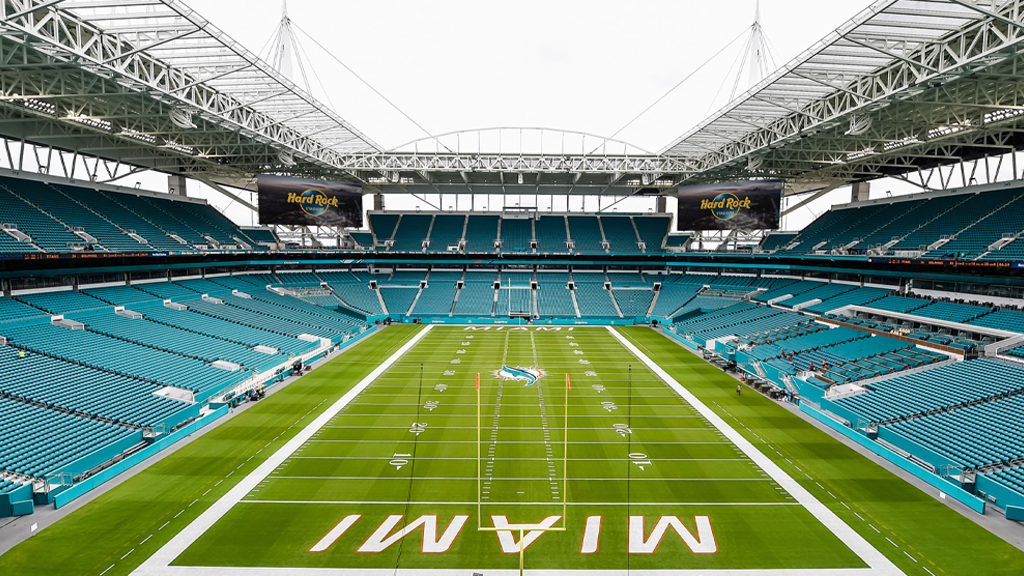
A Miami-based, world-class stadium known for hosting major NFL games, concerts, international sporting events, and motorsport—managing multiple brands, audiences, and revenue streams under one roof.
- PROJECT TIMELINE
- 6 month
- INTEGRATIONS
- Databricks to HubSpot
In one of the most competitive live entertainment markets in the world, this Miami stadium plays host to an ever-evolving calendar of NFL games, concerts, festivals, and racing events. With multiple marketing teams managing distinct brands, the business needed a way to unify operations, personalise at scale, and move faster—without sacrificing brand identity or control.
In the world of live events, timing is everything—and this Miami-based stadium was falling behind.
With four distinct entertainment brands under one roof, from NFL to concerts to international motorsport, each team had its own marketing goals and timelines. But they were all held back by the same challenge: disconnected systems and manual processes.
PROBLEM 1:
PROBLEM 2:
PROBLEM 3:
PROBLEM 4:
To meet the pace of live events, Engaging.io architected a scalable marketing operations platform using HubSpot’s Marketing Hub Enterprise and Smart CRM.
We rolled out the system in phases, starting with one brand to validate the model before scaling across the remaining three. Each brand was set up with its own workspace, allowing teams to maintain autonomy while still benefiting from a shared CRM infrastructure.
A custom Databricks integration ensured real-time syncing of ticketing and engagement data into HubSpot, powering more precise segmentation and reporting. We also built modular email assets and dynamic templates so teams could launch campaigns in hours—not days. From fan lifecycle scoring to sponsorship attribution reporting, the entire system was designed to support agility, personalisation, and scale.
Five steps, in this order.
-
01
Centralise and Scale with Smart CRM
THE PROCESS- Implemented HubSpot’s Business Units and Custom Properties to manage multiple brands under one Smart CRM instance while maintaining data integrity.
-
02
Real-Time Data Sync with Databricks
THE PROCESS-
Custom integration with Databricks allowed marketing teams to pull live ticketing and engagement data directly into HubSpot, enabling timely, targeted outreach.
-
-
03
Build Brand-Specific Workspaces
THE PROCESS- Each brand was given its own tailored environment within HubSpot, preserving creative control while benefiting from shared infrastructure and governance.
-
04
Automate Campaign Deployment
THE PROCESS- Developed modular email templates and campaign assets that could be quickly repurposed, reducing setup time and supporting rapid iteration.
-
05
Enabled Unified Reporting
THE PROCESS- Configured dashboards and cross-brand reporting tools for leadership, giving visibility into marketing performance, fan behaviour, and sponsorship ROI across all verticals.
The implementation began with stakeholder alignment across brand and corporate marketing teams to define goals, workflows, and data structures.
We first rolled out HubSpot to one brand as a pilot, refining the structure and integrations before expanding to the rest.
Throughout the rollout, we created workspace-specific playbooks, dynamic campaign templates, and lead lifecycle models tailored to each audience type. The custom Databricks integration was developed in parallel, syncing ticketing data directly into HubSpot and powering real-time engagement tracking. Training was delivered through a mix of live workshops and video libraries, ensuring teams could onboard quickly and maintain momentum. Despite the complexity, the rollout was seamless—no downtime, no disruption, just progress.
The transformation was immediate and meaningful. What once took days to execute now takes hours.
Campaign build time was cut by 40–50%, and teams gained the flexibility to respond to ticketing trends, fan engagement shifts, and sponsorship opportunities in real time. With Databricks flowing live data into HubSpot, segmentation accuracy dramatically improved, and marketing became measurably more personalised.
Each brand now runs with autonomy, yet benefits from a unified data and governance framework.
For leadership, unified reporting has been a game-changer—providing a full-picture view of marketing performance across all brands, events, and audiences. This foundational system has future-proofed the stadium’s marketing operations, positioning them as a digital leader in global sports and entertainment.